
BEFORE YOUR SESSION
A Little Preparation Goes a Long Way
CLOTHING
What Photographs Well
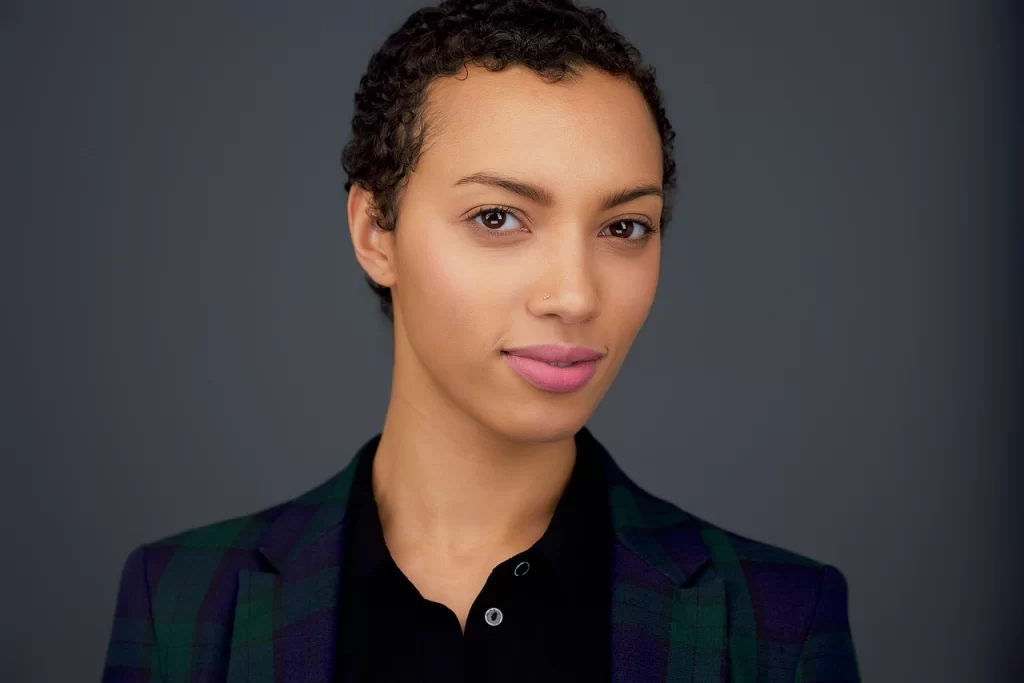
Bring a few well-fitting options in solid or subtle colors. Blazers, blouses, sweaters, dresses, and simple layered looks can all photograph beautifully. Avoid anything overly busy or distracting.
HAIR & MAKEUP
Keep It Natural to You
Style your hair and makeup the way you normally want to be seen professionally. Avoid drastic changes right before the session, and bring any small products you may want for touch-ups.
OPTIONS
Bring More Than One Look
Bring several clothing options if you have them. Different colors, jackets, tops, necklines, and layers can photograph very differently, so having choices gives us flexibility.
DAY OF
Arrive Ready, Not Stressed
Bring your clothing clean and wrinkle-free, give yourself enough time to arrive comfortably, and don’t worry about posing or expression. I’ll guide you through that.
You don’t need to know how to pose or what expression to make before you arrive. I’ll guide you through that during the session. The most useful preparation is simply choosing good clothing, taking care of hair and makeup details, and bringing a few options so we have flexibility.
WHAT TO WEAR
Clothing That Photographs Well
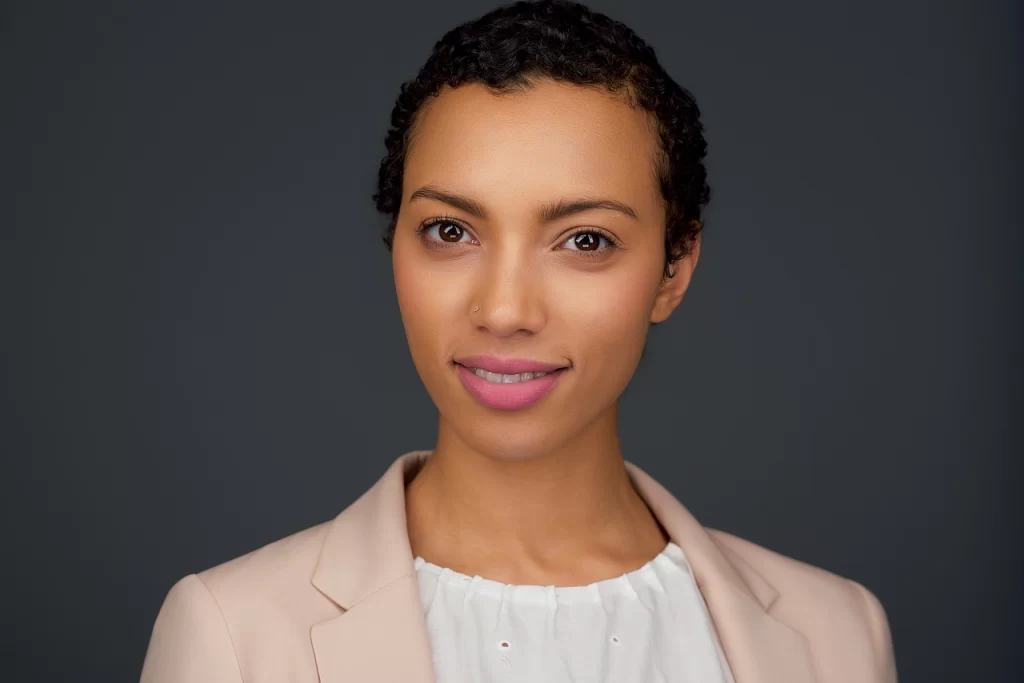
Start with clothing that fits well through the shoulders, chest, waist, and neckline. Solid colors and subtle textures usually photograph best because they keep attention on your face rather than your clothing.
Blazers, blouses, sweaters, dresses, knit tops, and simple layered looks can all work beautifully. Darker neutrals such as navy, charcoal, black, and deeper jewel tones are reliable choices, but lighter colors and softer tones can photograph very well too.
• Solid or lightly textured blouses
• Blazers and structured jackets
• Sweaters and knit tops
• Simple dresses
• Clean, flattering necklines
• Layered looks with good fit
Avoid clothing that is overly loose, extremely tight, heavily patterned, covered in large logos, or anything that bunches or pulls awkwardly when you move.
WHAT TO AVOID
Clothing That Can Distract on Camera
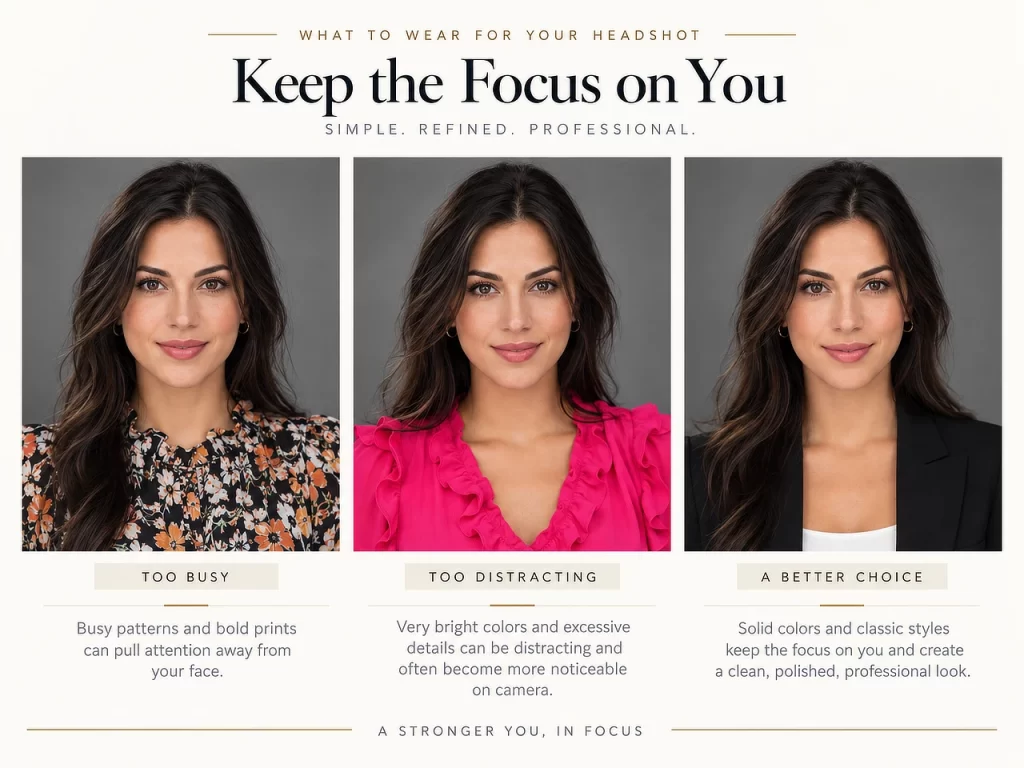
Busy patterns, very bright colors, large logos, and clothing with excessive detail can pull attention away from your face. In a tightly cropped professional headshot, those elements often become more noticeable than they seem in person.
Fit matters just as much as color. Tops that pull across the shoulders or bust, jackets that bunch, and necklines that shift or sit awkwardly can be distracting on camera.
Generally avoid:
• Large or high-contrast patterns
• Neon or extremely bright colors
• Large logos or graphics
• Clothing that is noticeably too loose or too tight
• Distracting ruffles, embellishments, or oversized details
• Necklines that require constant adjustment
• Anything you already feel uncomfortable wearing
You do not need to avoid color, jewelry, or personality. The goal is simply to make sure your clothing supports the photograph instead of becoming the first thing people notice.
Dress for Your Professional Setting
Your headshot should match the level of formality your role calls for. Both traditional business attire and business-casual looks can photograph beautifully when the fit is clean and the styling feels intentional.
MORE TRADITIONAL
Blazer or suit jacket
Blouse or shell
Structured dress
Simple professional jewelry
BUSINESS CASUAL
Blouse or knit top
Sweater or cardigan
Simple dress
Clean layered looks
If you’re unsure how formal to go, bring both. We can start with the more formal option and remove layers as the session progresses.
HAIR & MAKEUP
Look Like Yourself—Just Prepared
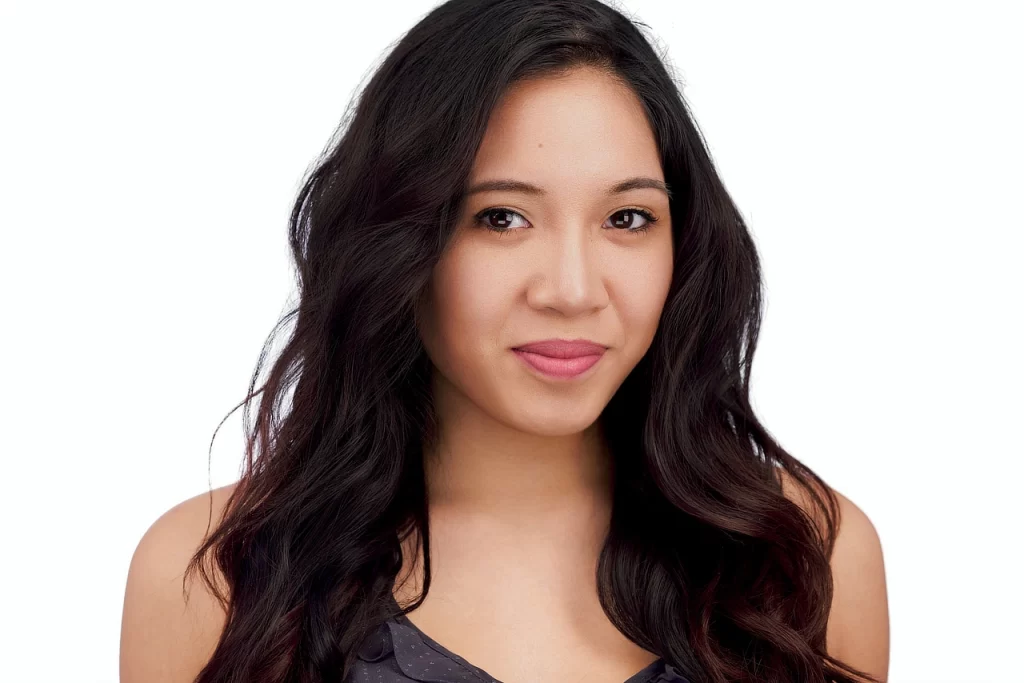
Your hair and makeup should look like you on a good day. You do not need heavier makeup or a completely different hairstyle just because you are having a professional headshot taken.
Style your hair the way you normally want to be seen professionally. If you wear makeup, aim for an even, finished look that still feels natural to you.
A few simple things help:
• Style your hair before arriving
• Bring a brush, comb, or usual styling product for touch-ups
• Keep foundation and concealer close to your normal skin tone
• Moisturize the night before if your skin tends to look dry
• Choose eye and lip makeup you already feel comfortable wearing
• Bring your lipstick or lip color for quick touch-ups
• Avoid trying a dramatically different hairstyle or makeup look for the first time on session day
Small fly-aways, temporary blemishes, and minor skin imperfections are normal and can be handled during retouching. The goal is not to make you look different—it is to make sure you feel like yourself and everything looks intentional.
FINAL PREPARATION
Hair, Skin & the Small Details
HAIR
Plan for Small Touch-Ups
Have your haircut far enough in advance that it feels natural by the day of the session. Style your hair the way you normally want to be seen professionally, and bring your usual product or comb if you may need a quick adjustment.
SKIN & MAKEUP
Keep Touch-Ups Simple
Bring your lip color, powder, or any product you normally use for quick touch-ups. There is no need to bring an entire makeup kit—just the few things that help you feel finished.
JEWELRY & DETAILS
Keep the Focus on You
Simple jewelry usually photographs beautifully. Bring a few options if you are unsure, and check necklaces, earrings, collars, and other small details before the session begins.
BRING OPTIONS
Give Yourself a Few Choices
Bring a Few Looks
Three or four good clothing options are usually enough. Bring a mix of tops, jackets, sweaters, or dresses if you have them. Different colors, necklines, and layers can photograph very differently, so having a few choices gives us flexibility.
Wear What Feels Like You
Choose clothing that still feels natural to you. Your headshot should look professional, but it should also feel like an authentic version of how you want to present yourself.
If you’re unsure between two options, bring both. We can decide what works best once we see them on camera.
READY WHEN YOU ARE
Let’s Create Your Headshot
You’ve done the preparation. I’ll take care of the posing, expression, lighting, and the small adjustments once you’re in front of the camera.