
Ai Headshots vs. Professional Headshots: What’s the Difference?
Ai-generated headshots is the latest thing and a lot of people are going that route for good reason. For a few bucks, you can upload a selfie and get a “professional-looking” headshot within minutes.
If your professional headshot is being used beyond LinkedIn, Facebook, or an avatar the question becomes more important:
Do you want to use an Ai image on your business page or a company website?
The answer to this depends on how much authenticity matters to your profession or company look.
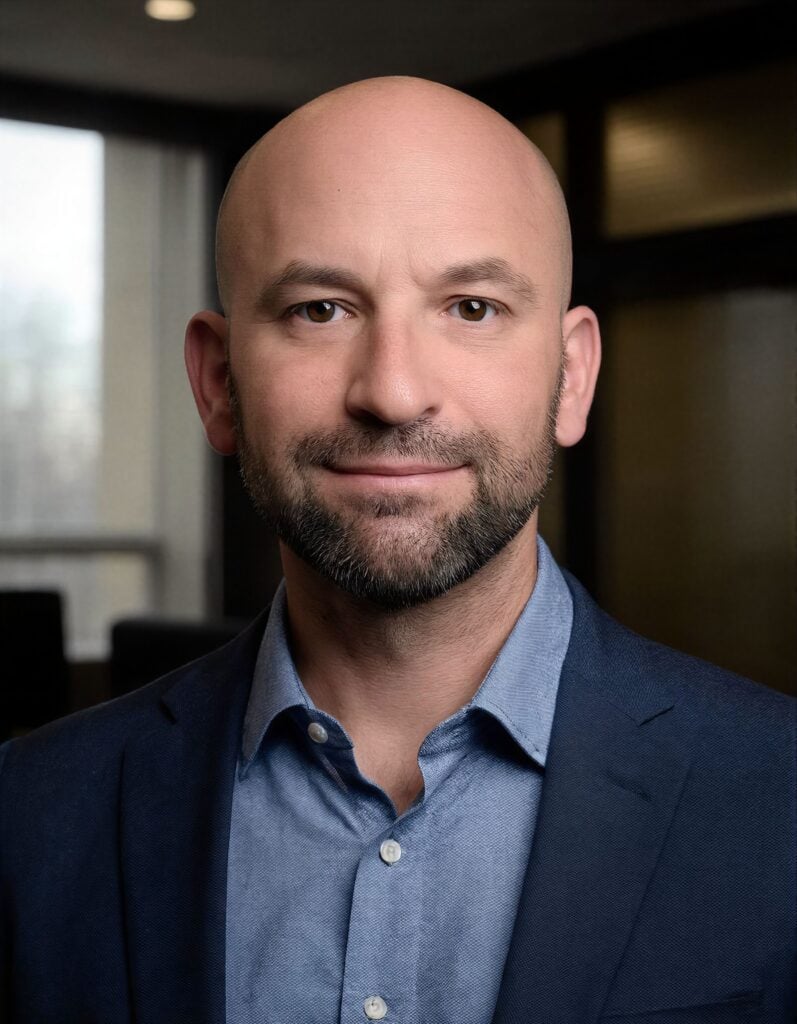
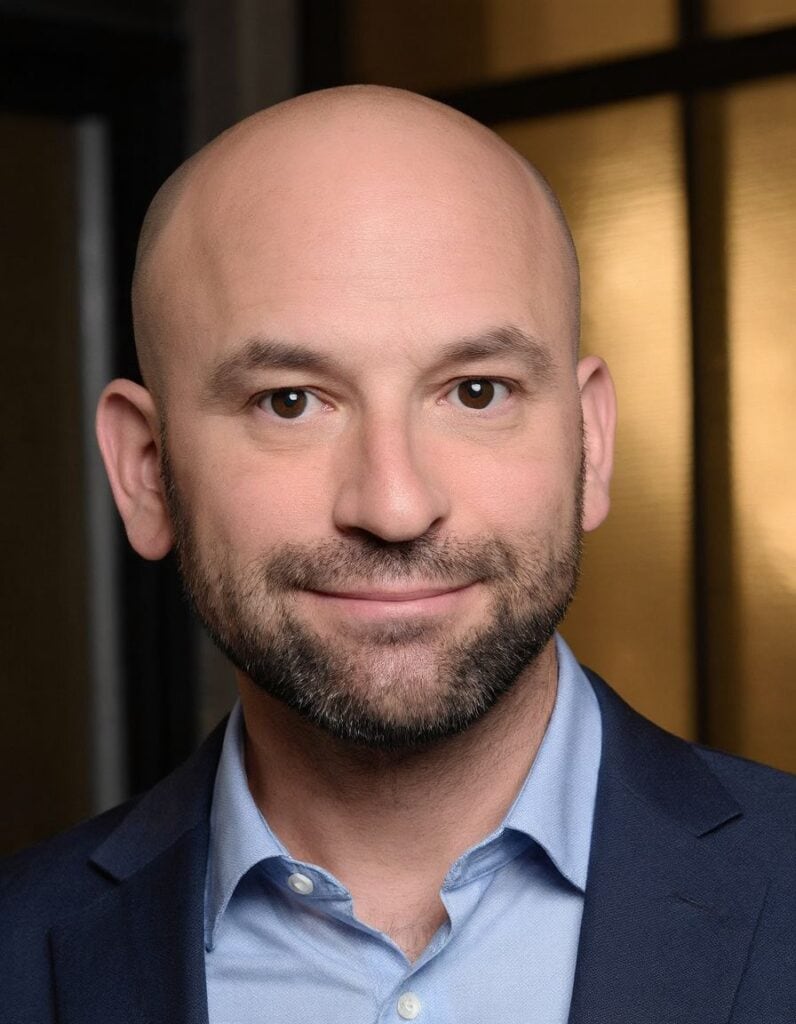
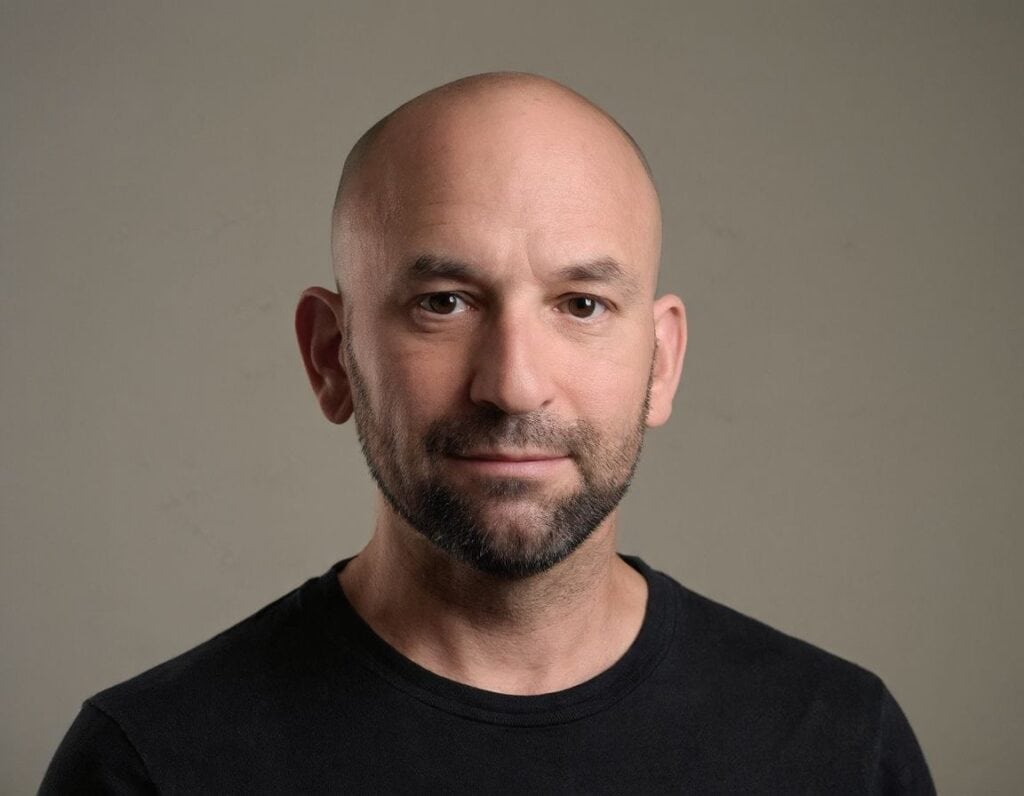
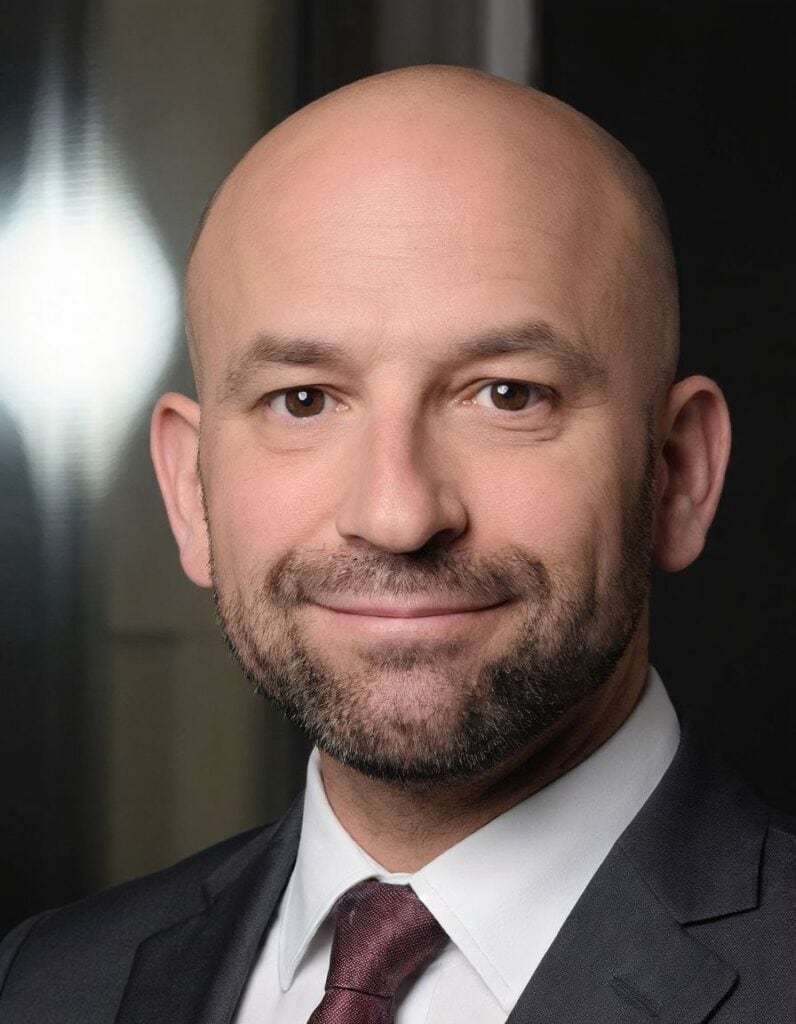
Throughout this article, there are several Ai-generated headshots I paid $8 for. At first glance, these images look great, but if you look carefully you will start to notice things like the eyes are not natural looking, the smile or grin seems a little off, or the skin looks flat or too smooth.
I will be honest and say that I actually like this image on the left. I think it is usable for certain above mentioned scenarios. But the bigger issue is whether an Ai-generated image accurately represents you or your company’s credibility and using it for broader use.
What Is an Ai Headshot?
An Ai headshot is created by uploading a selfie or existing photo to an Ai image generator. Then the software studies your face and creates a new image of you. It usually submits a few images with different outfits, backgrounds, lighting styles, and poses after it completes rendering your original image.
For someone who needs a quick profile image and does not want to invest in a professional photo session, an Ai headshot can be a practical option. But Ai headshots also have irregularities and those irregularities can be noticed by the viewer. The synthetic interpretation can also be misleading and damage credibility with potential clients or employers.
What Is a Professional Headshot?
Most of us understand what a professional headshot is and how it is created. For those who do not here is the general formula:
• professional lighting is used
• guided direction and posing should capture someone’s better side
• a professional camera and lens is used that creates the highest resolution image
• the final results should be inline with the professional photographers website or portfolio
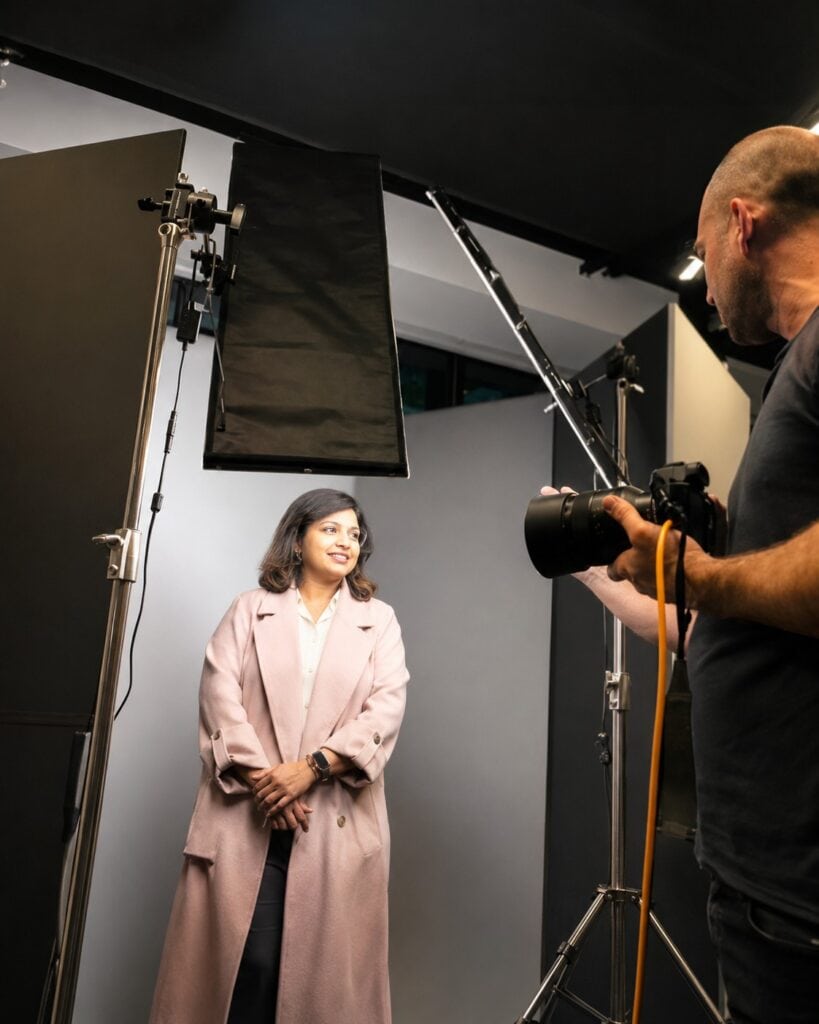
When you schedule a photo session with a professional headshot photographer that means your expression, posture, angles, lighting, clothing, and the smallest of details are looked at and adjusted to get the best representation of you.
The Biggest Difference: Authenticity
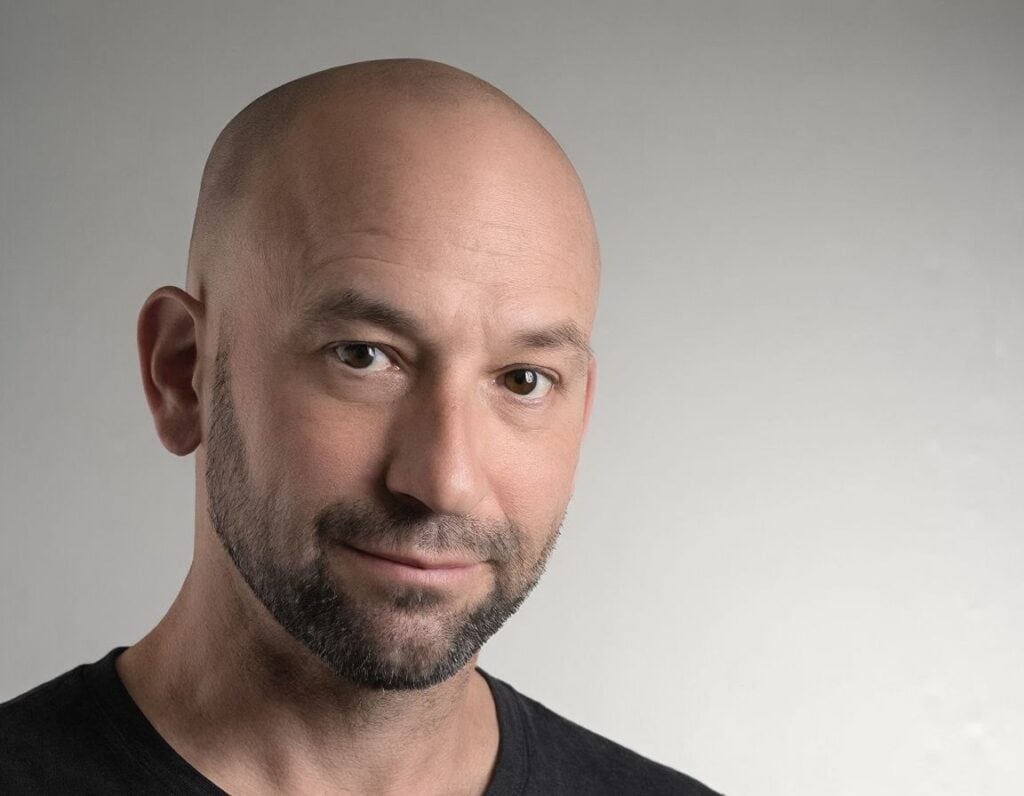
The biggest difference between an Ai headshot and a professional headshot is authenticity.
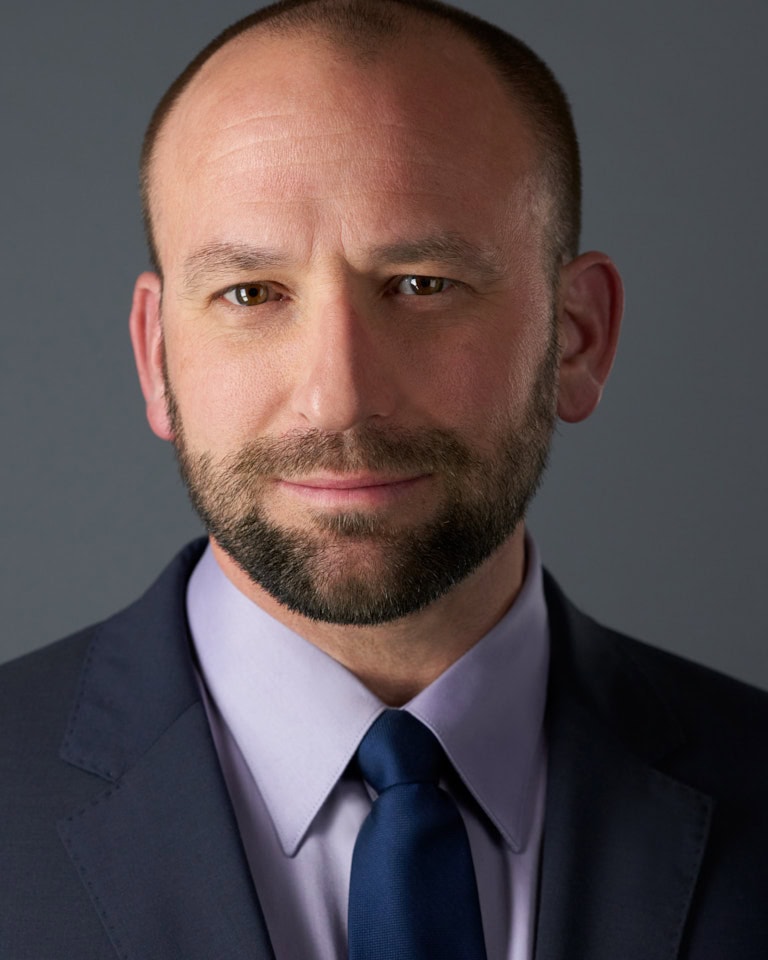
A professional headshot is a real image not a synthetic version of you. The second the photographer captures your image while coaching your expression and posture is a real moment in time. And a professional photographer should be making small adjustments until the image is the best representation of their client.
An Ai headshot can look authentic at first glance, but it may also look slightly weird. The eyes are a dead giveaway. The skin looks too smooth or the person’s face may look flat. Or it might not even look at you at all. For example, my eyes are not normal looking they have a CGI feel and my face on the camera right side where the eye and ear meet is wider than it should be.
That may not matter for casual use. But in a professional setting your headshot should be a natural representation of you as well as an amazing one too. If the headshot looks artificial or noticeably different from how you actually appear, it can create the wrong first impression.
When an Ai Headshot Makes Sense
Ai headshots could be used when you need something quickly or your budget is very limited.
For $8, an Ai headshot generator can be a great starting point. It may be better than using an image you had taking at a gathering or an outdated image from years ago.
For some people, especially those early in their career or only needing a temporary LinkedIn headshot, that may be good enough.
When a Professional Headshot Is Worth It
A professional headshot is absolutely needed when the image is tied to your credibility, business profile, company team, or job searching. It should be viewed as an investment because it will be the best representation of yourself.
In San Francisco, headshot pricing can vary widely depending on the photographer, experience level, session length, and level of quality you walk away with. The right choice depends on what you need the image to do. If it is a temporary profile photo, Ai may be enough. If the image represents your career, your business, or your company, a professional session is usually the stronger investment.
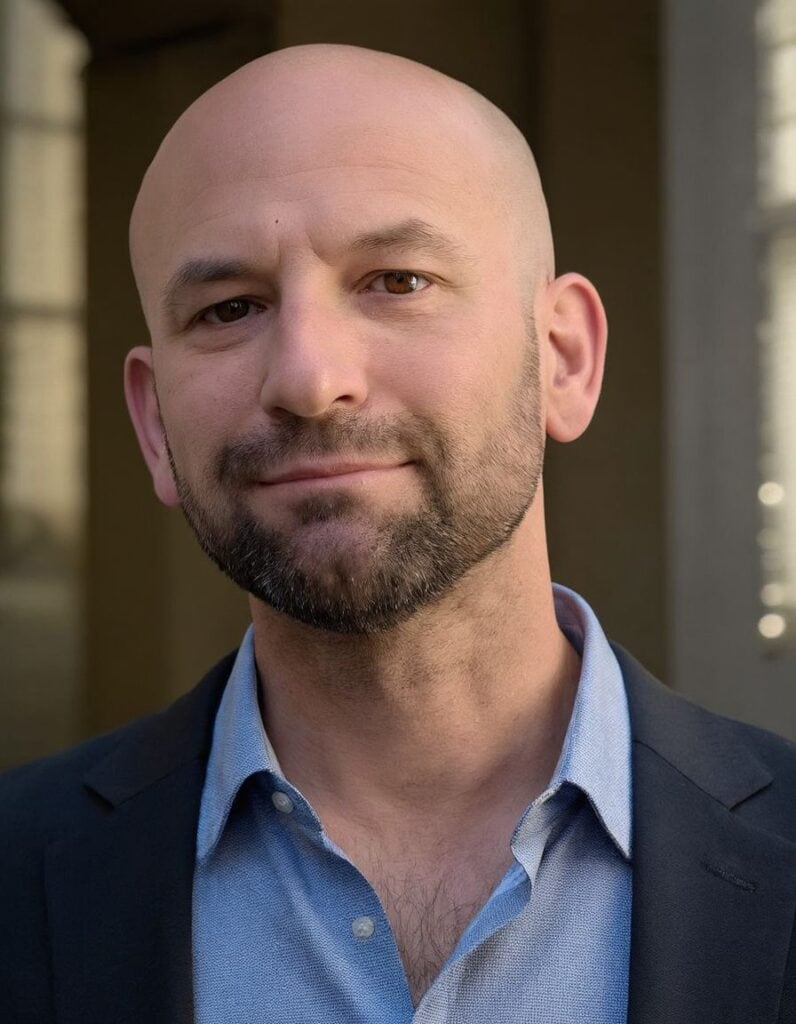
Image Quality: Camera File vs. Generated File
One major advantage of a professional headshot is image quality.
A high-resolution camera file from a professional camera system gives more detail, better tonal range, more controlled color, and more flexibility for editing and cropping. This matters if the image will be used beyond a small social media profile picture.
A professional headshot can be prepared for LinkedIn, company website bios, email signatures, press releases, speaker pages, printed programs, marketing collateral, large website banners, presentation slides, projection screens, and conference materials.
Ai headshot generators often produce images that look good at small sizes but may not hold up as well when enlarged, cropped, printed, or used in high-resolution professional materials. Fine details such as skin texture, hair, fabric, jewelry, and edges can look artificial or inconsistent.
Professional photography gives you a real image file that can be edited, resized, and delivered for specific uses.
Retouching: Realistic vs. Over-Generated
Professional retouching is not supposed to make you look fake. Done well, it should reduce wrinkles, remove blemishes, and enhance a persons look subtly while keeping a natural appearance.
The Ai image to the left is actually really good, but many times it can be too perfect. Eyes look unreal. Skin may become plastic. Teeth may look unnatural. Clothing can appear warped. Hair can become overly stylized. Sometimes even weird artifacts appear in your skin.
There are also professional headshot photographers that can overdo retouching too! Over the years comparing hundreds of portfolios to my own I have studied the art of retouching and have seen many times when in my opinion they have gone way overboard. But that is their choice and there are clients that like that look. To each his own.
At EMS Headshots I believe for professional use, a more natural and believable image usually beats perfect.
The Human Side of a Professional Headshot
A good headshot is not only technical. It is also psychological.
Many people do not like being in front of the camera. I’ve heard it many times. They worry about looking stiff, awkward, tired, uncomfortable, or just don’t like photo’s of themselves. But during the session they start to gain confidence because they see for the first time how great they actually can look. By the end they are shocked at how good the images turned out and can’t wait to display their new headshot image!
That is where a great professional photographer matters.
A real session gives you expression coaching, posture guidance, lighting adjustments, live feedback, image review, collaboration, and confidence during the process.
The goal is not to rush the client and just to take a few descent photos. The goal is to create an image where you look confident, approachable, professional, and credible.
Ai can generate a version of your face. It cannot coach your expression in real time. It cannot notice when your smile looks forced. It cannot help you relax. It cannot adjust the lighting based on your face, wardrobe, and branding needs.
That is the difference between a professional photographer and an Ai generated image. The human to human interaction is what creates the difference between a headshot that looks usable and one that actually looks and feels like you.
Cost: $8 Ai Headshot vs. $495 Professional Headshot
The difference in price is substantial. An $8 Ai headshot is obviously affordable, whereas an experienced professional photographer will charge an individual session $495. But the two options are not offering the same thing.
An Ai generator offers a fast synthetic image. A professional headshot offers a natural looking image with professional lighting, guided posing and expression, professional retouching that has more artistic qualities, and a real human experience that Ai can not provide.
If your image affects how people judge your credibility, professionalism, confidence, and trustworthiness, a professional headshot is definitely worth the investment.
Which One Should You Choose?
VS.
There is no single right answer for everyone. The best choice depends on what the image needs to do.
Choose an Ai headshot if you need something fast and cheap, the image is temporary, exact realism is not critical, you are comfortable with a synthetic result, and you only need a small online profile image.
Choose a professional headshot if you care about trust and credibility, want to look like the real you, need a high-resolution image, want guidance during the session, or plan to use the photo on a company website, speaker bio, press feature, or professional branding material.
Your Headshot Should Feel Like You
Ai headshots can absolutely be used. I have shown a few examples in this article that actually look good and are usable. You might even ask, “Are you trying to lose business?” And honestly, AI has already changed the headshot business to some degree. That is just the reality.
There have been moments where I looked at certain Ai-generated images and thought, “That is surprisingly good.” But even with that said, a professional headshot still has something Ai cannot fully replace: a real moment, a real expression, real lighting, and authenticity.
I am not writing this article to scare people away from Ai. If someone needs a headshot quickly, does not have the time for a session, or simply cannot afford a professional photographer right now, Ai gives them another option. In some cases, that may be enough.
But your headshot should do more than look professional. It should feel honest. It should help people recognize you, trust you, and remember you in a sea of faces.
For professionals in San Francisco who want a headshot that feels authentic, high-quality, and created with care, EMS Headshots provides relaxed, guided sessions designed to help you look confident, approachable, and genuinely professional.
Ready to Update Your San Francisco Headshot?
Book a guided San Francisco headshot session for LinkedIn, company websites, team pages, bios, and business profiles. The session is built to make the process easier, more controlled, and more useful than a rushed headshot appointment.